
Collagen is the body’s most abundant protein, acting as a fundamental building block for skin, joints, and connective tissues. In both cosmetic and research settings, it is valued for its role in maintaining skin firmness, elasticity, and structural integrity.
What Is Collagen Used For?
Collagen is widely explored for:
- Improving skin hydration and elasticity
- Supporting anti-aging and wrinkle-reduction research
- Promoting tissue repair and regeneration
- Enhancing overall skin texture and resilience
Types of Collagen
Type I Collagen
The most common form, associated with skin strength and structure.
Type II Collagen
Primarily found in cartilage, studied for joint and mobility research.
Type III Collagen
Often linked with skin elasticity and tissue support.
Benefits in Research & Cosmetic Applications
- Supports smoother, firmer-looking skin
- Helps maintain structural integrity of tissues
- Encourages hydration and elasticity
- Plays a role in regenerative studies
Storage & Handling
- Store in a cool, dry place
- Protect from moisture and direct sunlight
- Follow proper handling guidelines for stability
Frequently Asked Questions (FAQ)
What does collagen do for the skin?
It helps maintain firmness, elasticity, and hydration, reducing the appearance of fine lines.
Does collagen decrease with age?
Yes, natural collagen production declines over time, contributing to visible aging.
Is collagen used in cosmetic products?
Yes, it is commonly included in skincare and dermal formulations.
Can collagen be used at home?
Topical and supplement forms are widely available, but professional applications should be handled by trained specialists.


Collagen
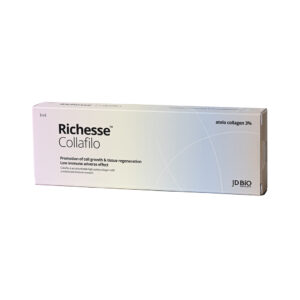

Collagen